Core Buddhist Places
Sarnath, Kushinagar, Rajgir, and Nalanda extend the story from the Buddha's life into the early expansion of Buddhist memory and learning.
Some places are remembered because a teaching began there. Some are remembered because a movement found its public courage there. Buddhist and Ambedkarite places matter for the same deeper reason: they hold together memory, moral direction, community, and identity in a way that books alone cannot.
For Buddhists, places such as Lumbini, Bodh Gaya, Sarnath, and Kushinagar trace the life of the Buddha and the spread of Dhamma. For Ambedkarites, places such as Deekshabhoomi, Chaityabhoomi, Rajgruha, Mhow, Mahad, and Yeola carry the memory of struggle, conversion, study, and self-respect. They are not only locations on a map. They are public reminders that a religious path and a social movement can both be lived in real space, with real people, and with consequences that continue into the present.
Places Directory
This directory brings together the main Buddhist places connected with the Buddha's life, major Buddhist heritage sites in India, and Ambedkarite places linked to memory, conversion, study, and public struggle.
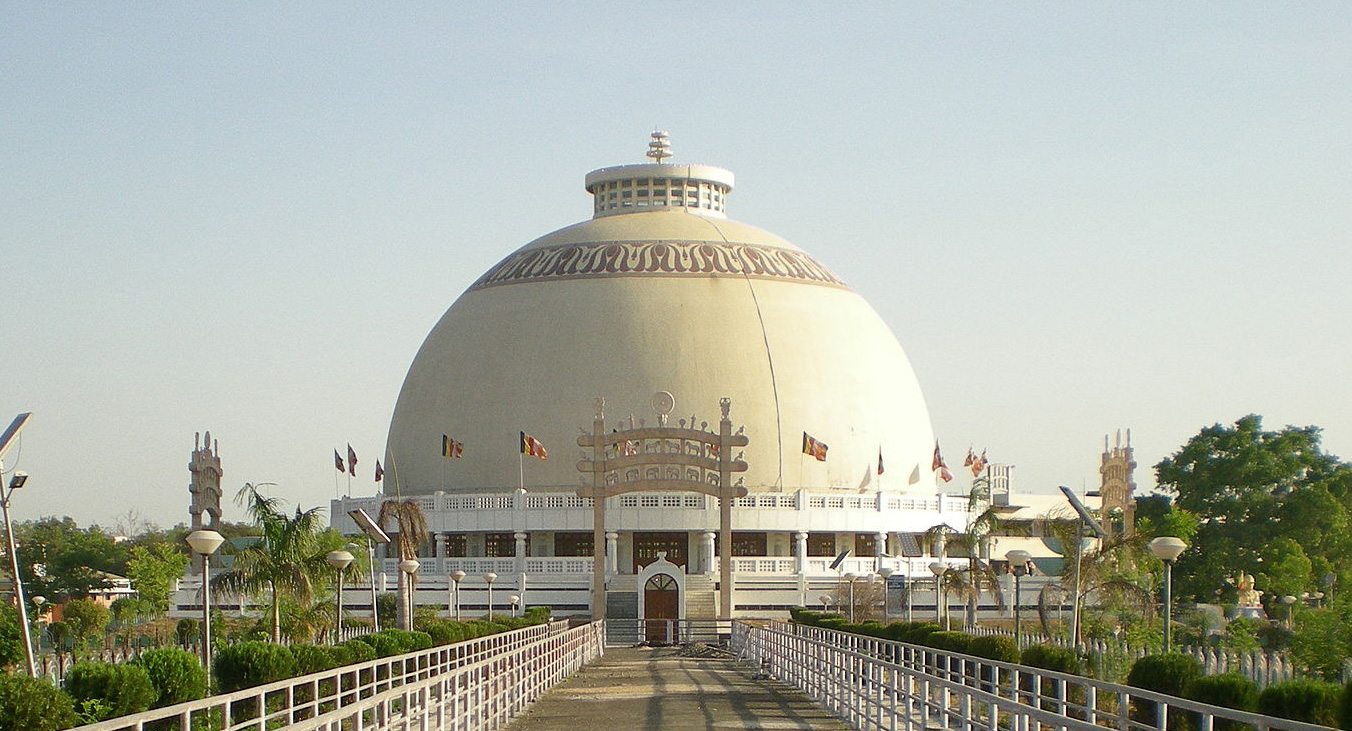 Nagpur
Deekshabhoomi
Nagpur
Deekshabhoomi
The place of Ambedkar's 1956 conversion to Buddhism and one of the strongest public centers of Ambedkarite Buddhist identity.
Read More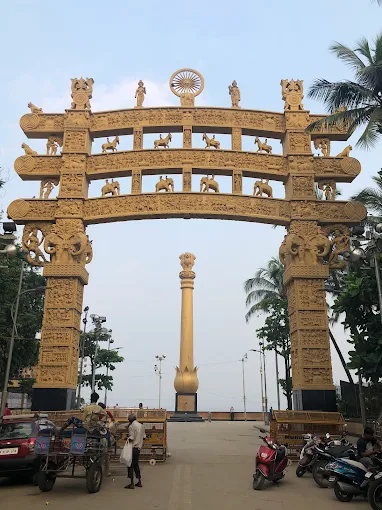 Mumbai
Chaityabhoomi
Mumbai
Chaityabhoomi
A place of remembrance tied to Ambedkar's final years and one of the most emotionally important public gathering sites for Ambedkarites.
Read More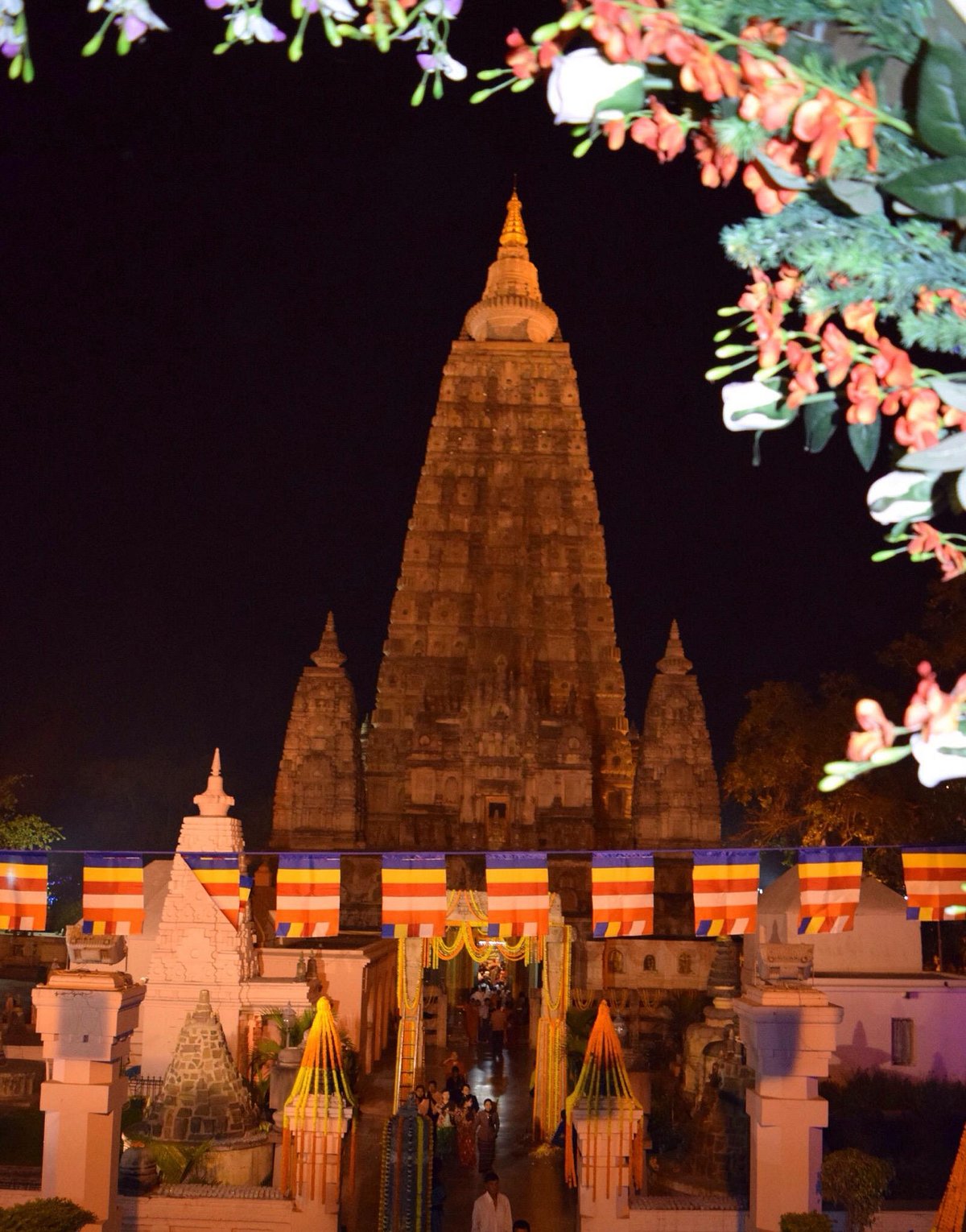 Bihar
Bodh Gaya
Bihar
Bodh Gaya
The place of the Buddha's awakening, and for many Ambedkarite Buddhists the clearest symbol of what a transformed life can mean.
Read More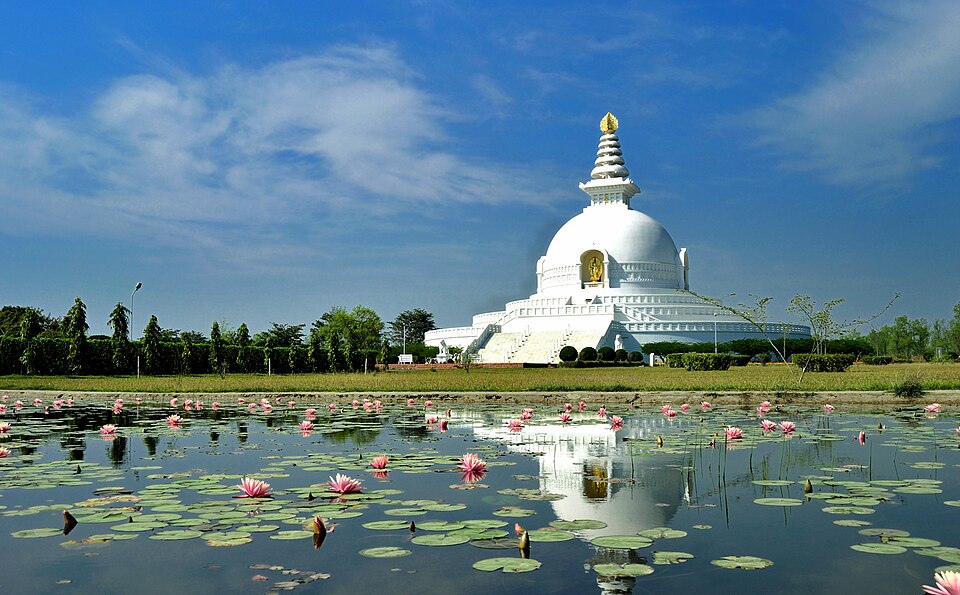 Nepal
Lumbini
Nepal
Lumbini
The Buddha's birthplace, where Buddhist memory begins and where many readers reflect on the human origin of a world-changing path.
Read More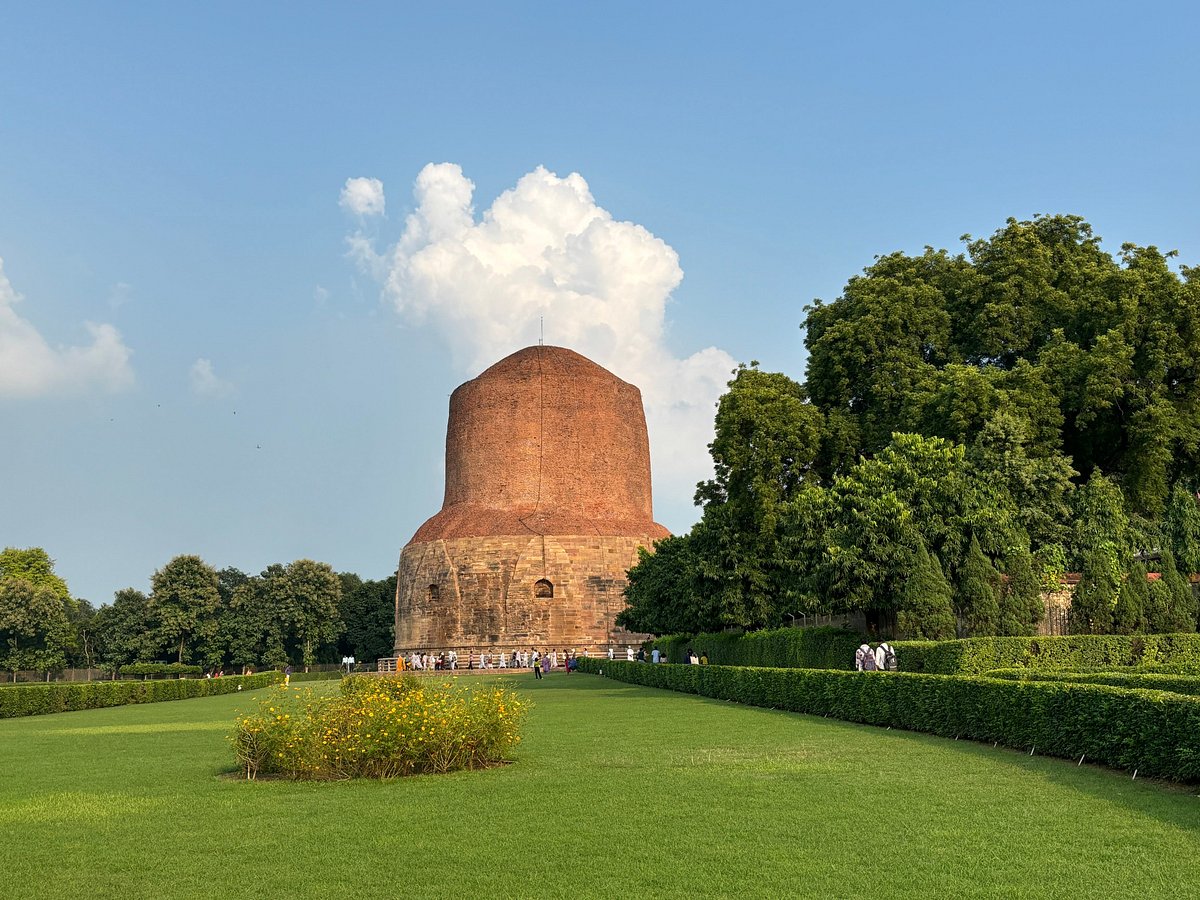 Uttar Pradesh
Sarnath
Uttar Pradesh
Sarnath
The place where the Buddha gave his first sermon and where Dhamma first entered public teaching.
Read More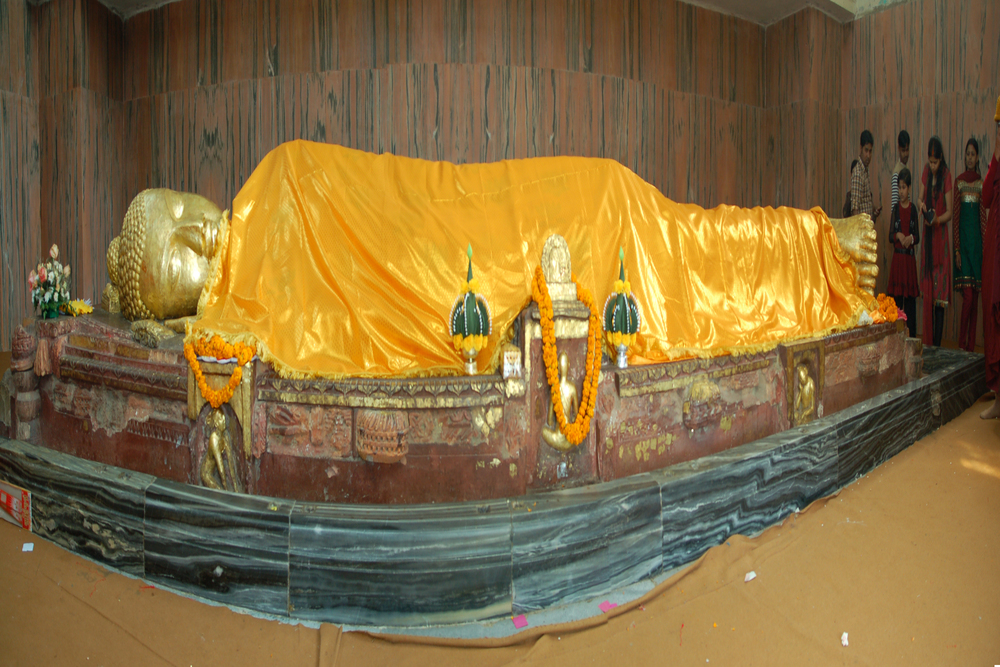 Uttar Pradesh
Kushinagar
Uttar Pradesh
Kushinagar
The place associated with the Buddha's mahaparinirvana and a key site for thinking about continuity and remembrance.
Read More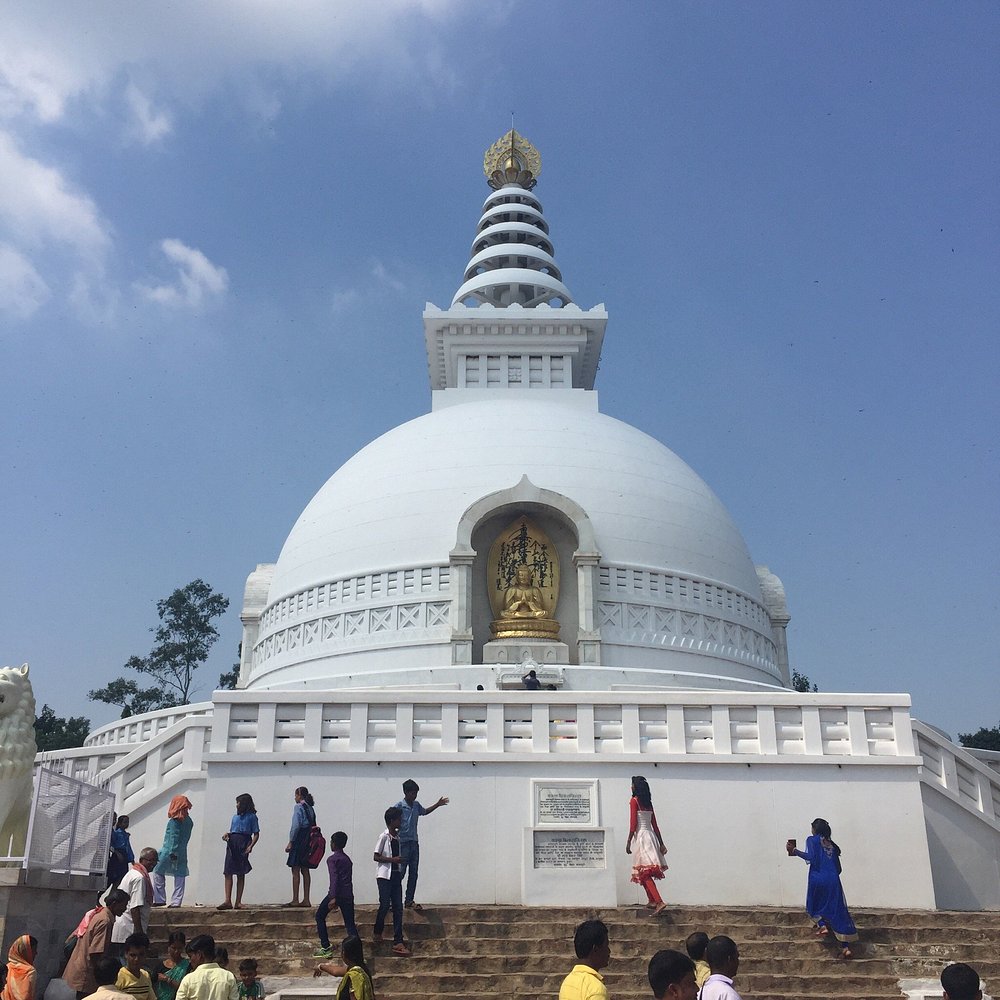 Bihar
Rajgir
Bihar
Rajgir
An early Buddhist center tied to teaching, residence, and the wider landscape of Magadha.
Read More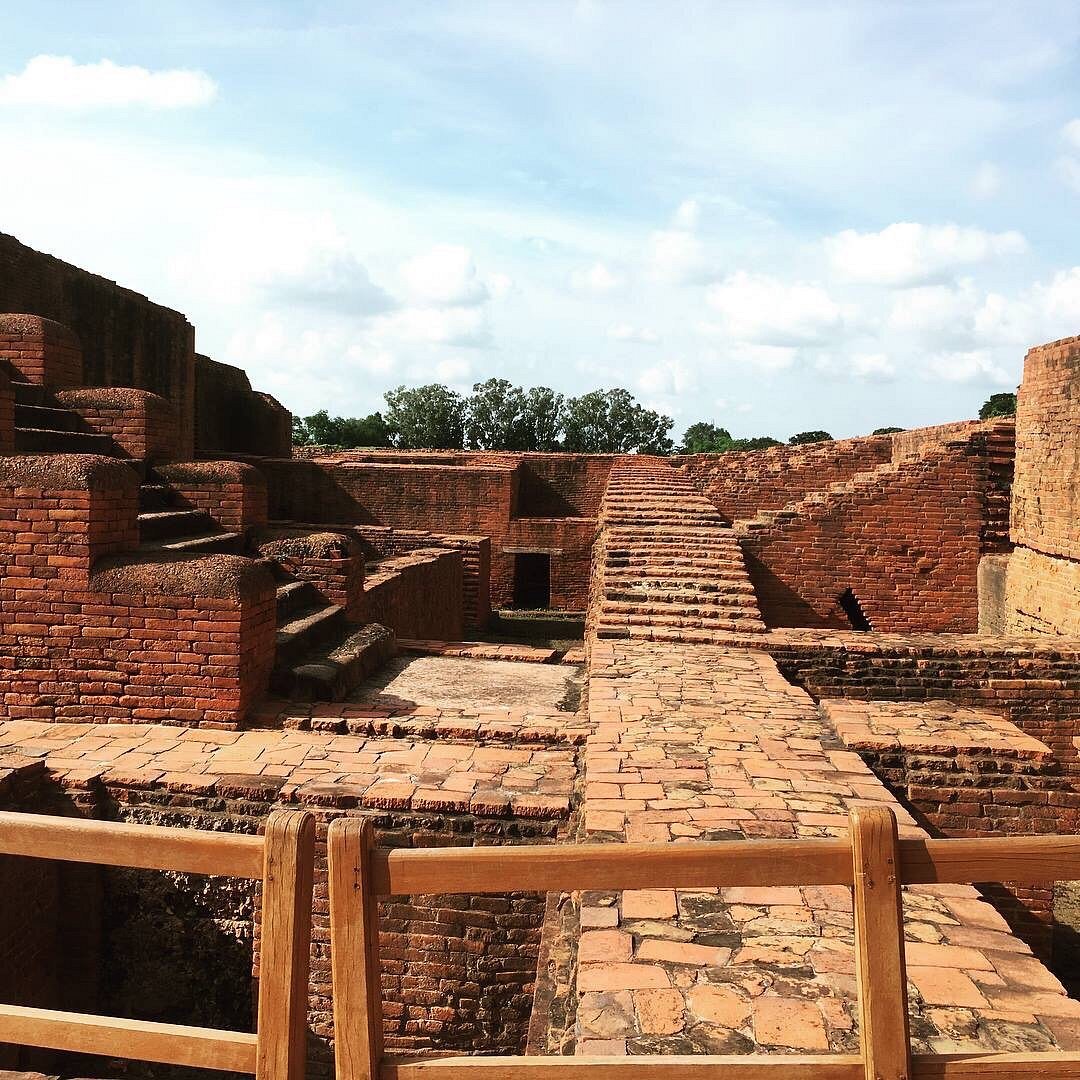 Bihar
Nalanda
Bihar
Nalanda
A great center of Buddhist learning whose memory still speaks to education, reading, and intellectual seriousness.
Read More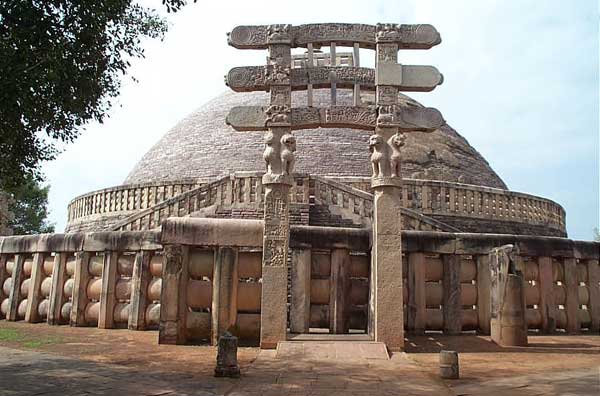 Madhya Pradesh
Sanchi Stupa
Madhya Pradesh
Sanchi Stupa
A major Buddhist heritage site where stupa architecture and public memory remain powerfully visible.
Read More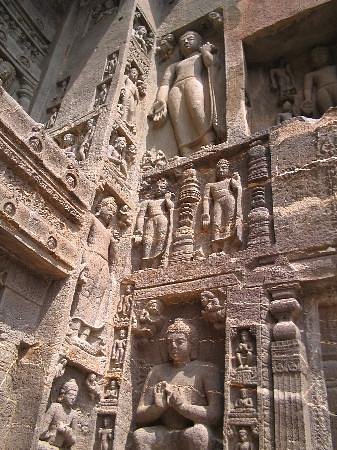 Maharashtra
Ajanta Caves
Maharashtra
Ajanta Caves
A cave complex where Buddhist art, monastic life, and visual teaching still shape memory of the tradition.
Read More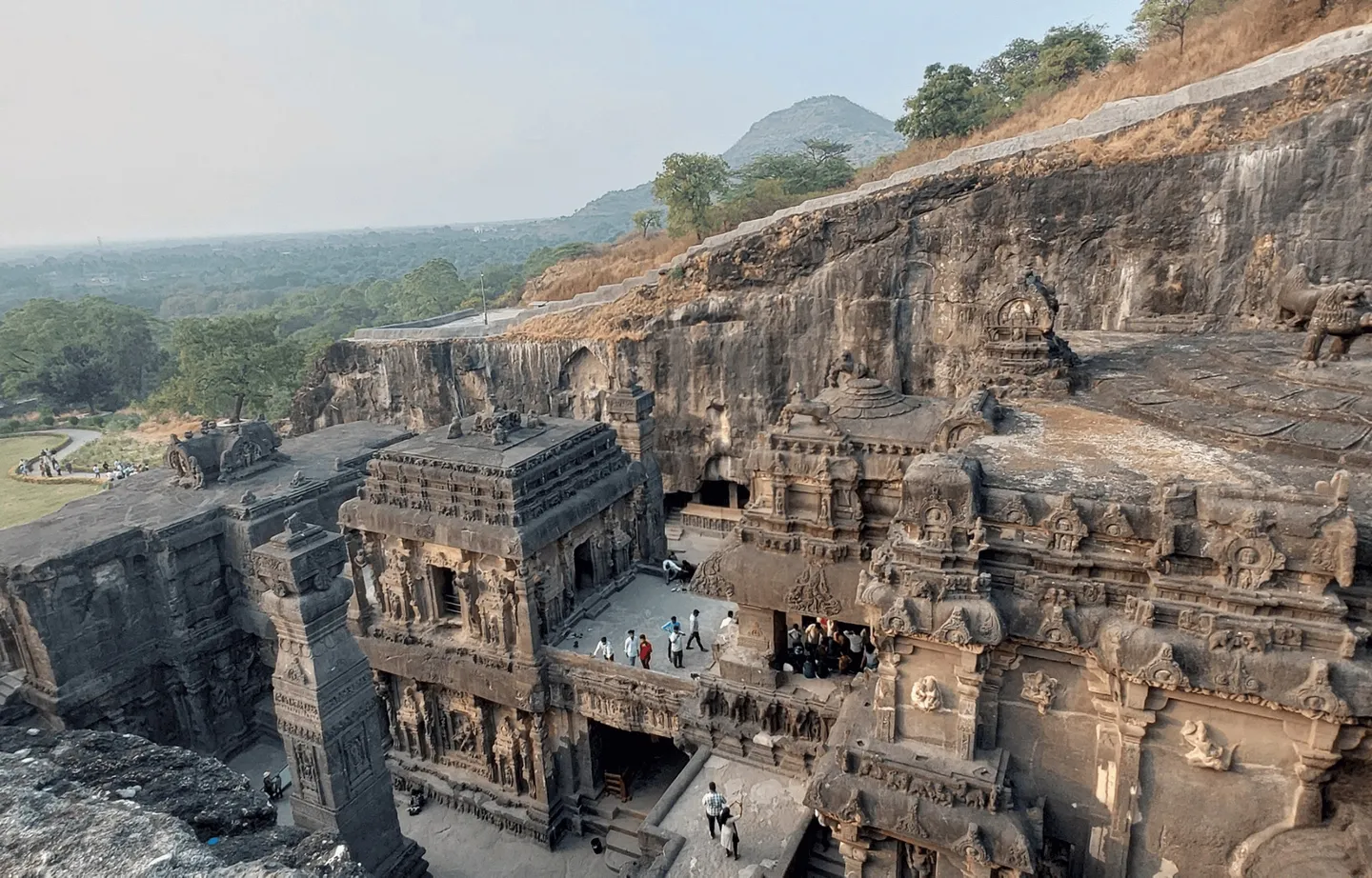 Maharashtra
Ellora Caves
Maharashtra
Ellora Caves
A layered rock-cut heritage site where Buddhist caves remain part of a wider historical landscape.
Read More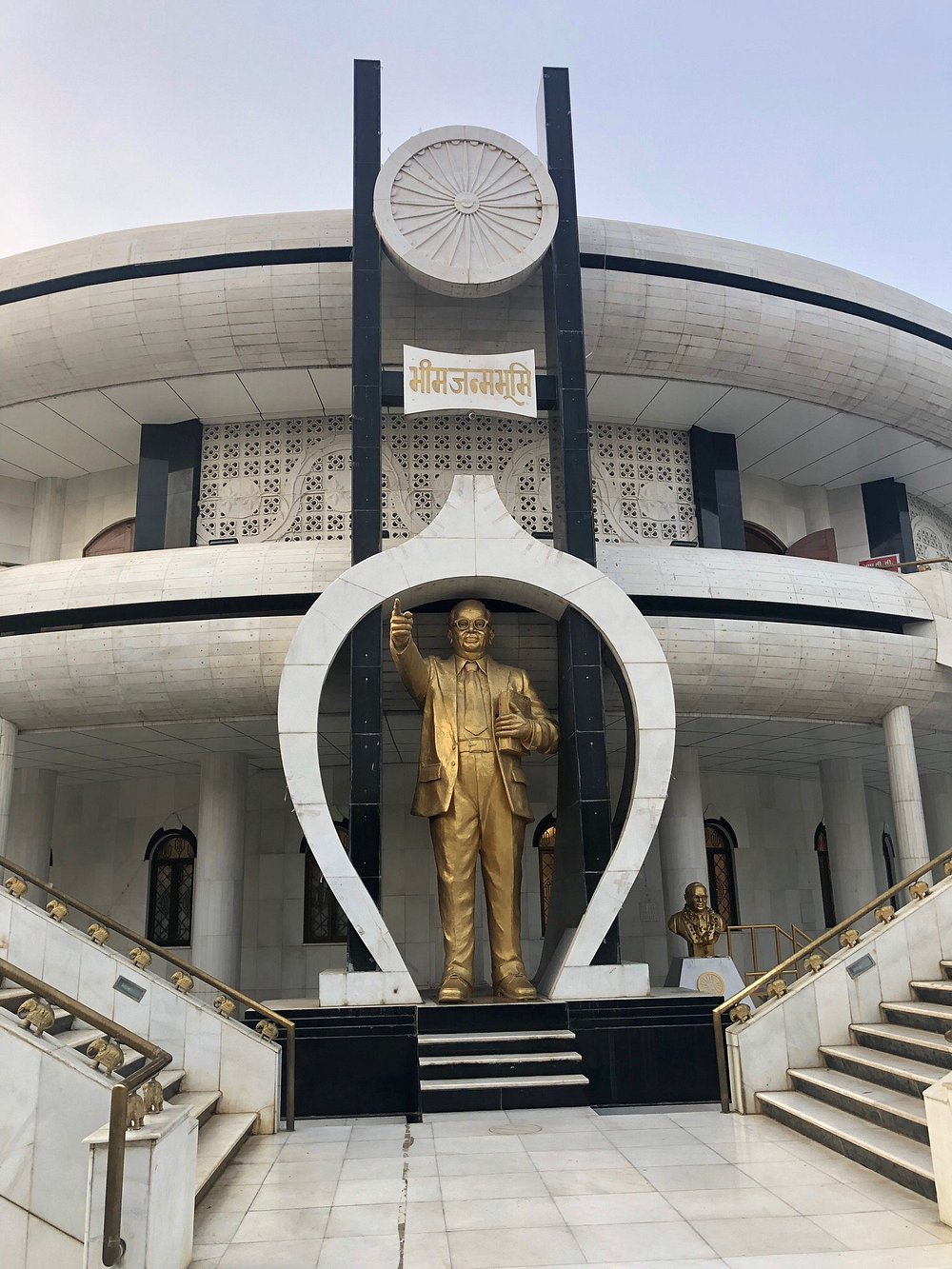 Madhya Pradesh
Mhow
Madhya Pradesh
Mhow
The birthplace of Dr. B.R. Ambedkar and one of the first places in the Ambedkarite memory map.
Read More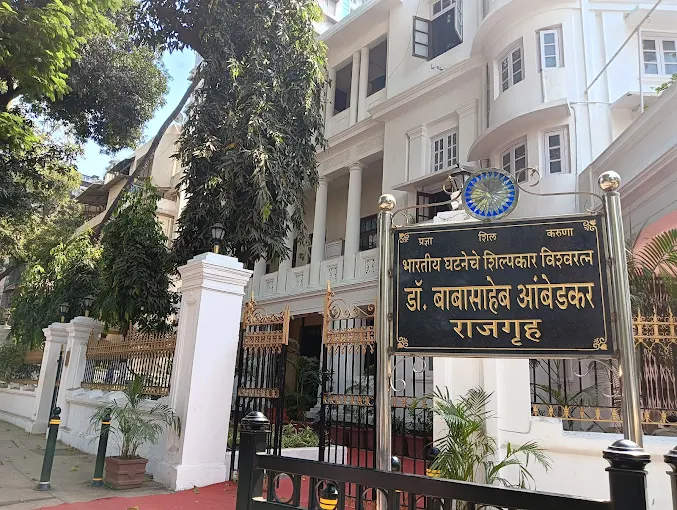 Mumbai
Rajgruha
Mumbai
Rajgruha
Ambedkar's home in Mumbai, tied to study, writing, political work, and the intellectual life of the movement.
Read More.png) Maharashtra
Mahad (Chavdar Tale)
Maharashtra
Mahad (Chavdar Tale)
The site of the Mahad Satyagraha, where equality and civic dignity were asserted in public life.
Read More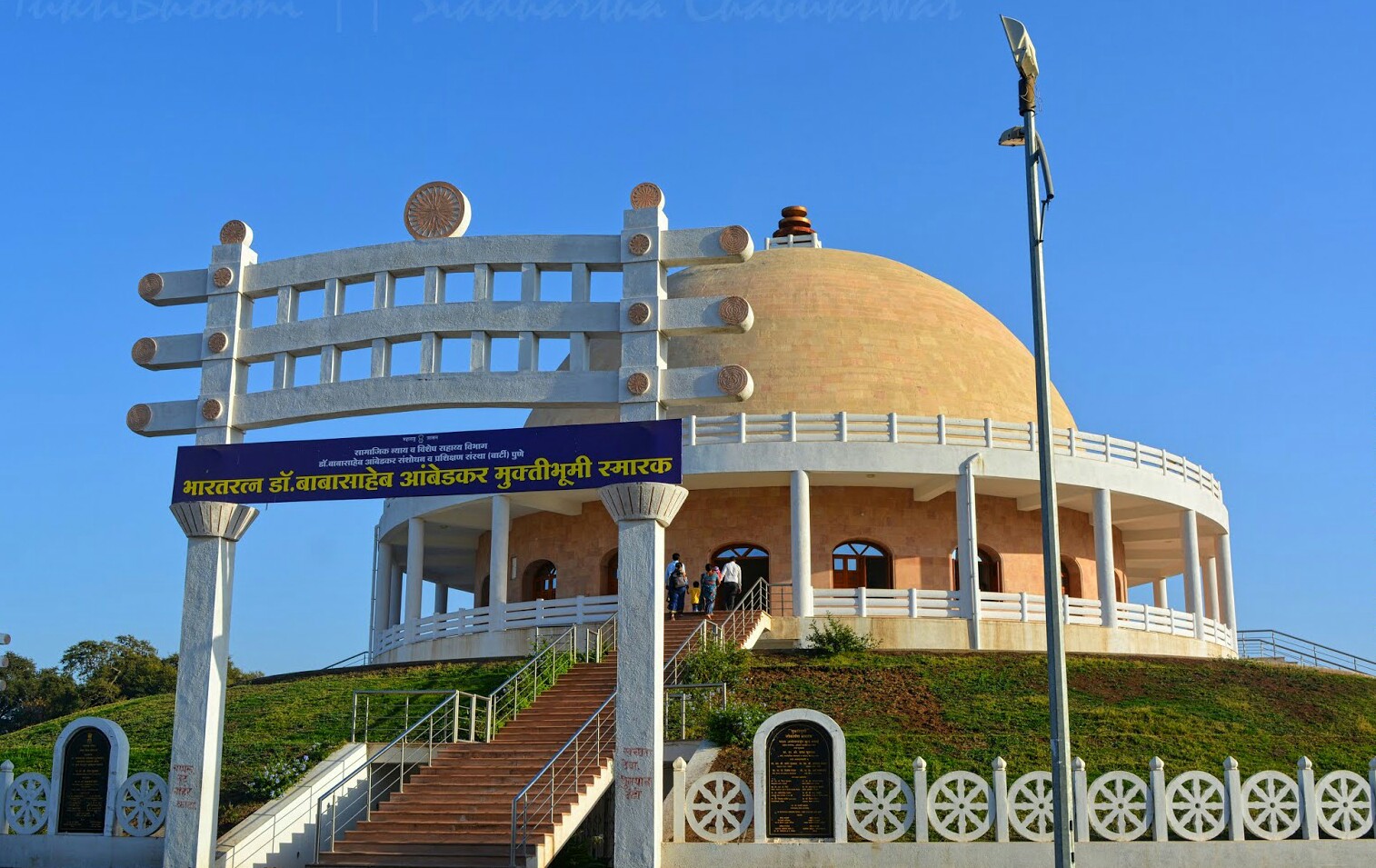 Maharashtra
Yeola
Maharashtra
Yeola
The place where Ambedkar declared he would not die a Hindu, marking a decisive turning point.
Read MoreBrowse the Directory
Some readers begin with the life of the Buddha. Others begin with Ambedkarite places such as Deekshabhoomi or Mahad. This section helps both paths stay clear.
Sarnath, Kushinagar, Rajgir, and Nalanda extend the story from the Buddha's life into the early expansion of Buddhist memory and learning.
Sanchi Stupa, Ajanta Caves, and Ellora Caves show how Buddhist architecture, monastic life, and visual memory developed across time.
Mhow, Rajgruha, Mahad, and Yeola show how biography, movement history, and moral transformation remain rooted in place.
Lumbini, Bodh Gaya, Sarnath, and Kushinagar remain the clearest starting path for readers who want the life of the Buddha first.
This directory includes the main Buddhist places connected with the Buddha's life, such as Lumbini, Bodh Gaya, Sarnath, and Kushinagar. It also includes important Buddhist heritage places in India such as Rajgir, Nalanda, Sanchi Stupa, Ajanta Caves, and Ellora Caves.
It also includes Ambedkarite places such as Deekshabhoomi, Chaityabhoomi, Mhow, Rajgruha, Mahad, and Yeola. These places matter for different reasons, but they belong together here because they help explain both the Buddhist tradition and the Ambedkarite public life that grew around Dhamma, equality, study, and conversion.