Shared Context
What they did, and why they are linked here.
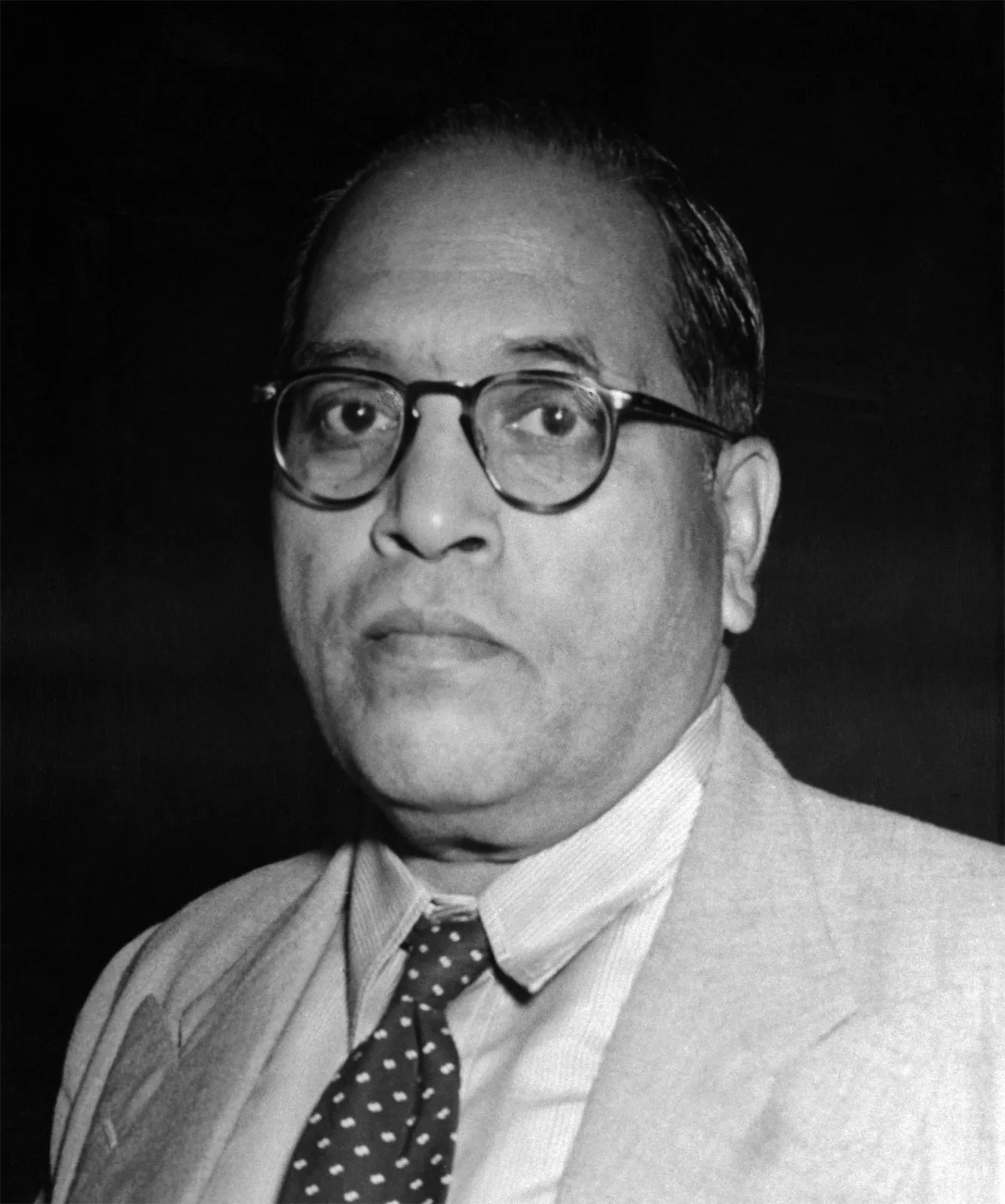
Ambedkarite study often begins with Dr. B.R. Ambedkar, but it does not end with one person alone. A serious reader also needs to understand the social and historical ground around him: rulers who thought about public welfare, reformers who fought caste and gender inequality, educators who opened learning to those denied it, and leaders whose public memory continues to shape Maharashtra and India.
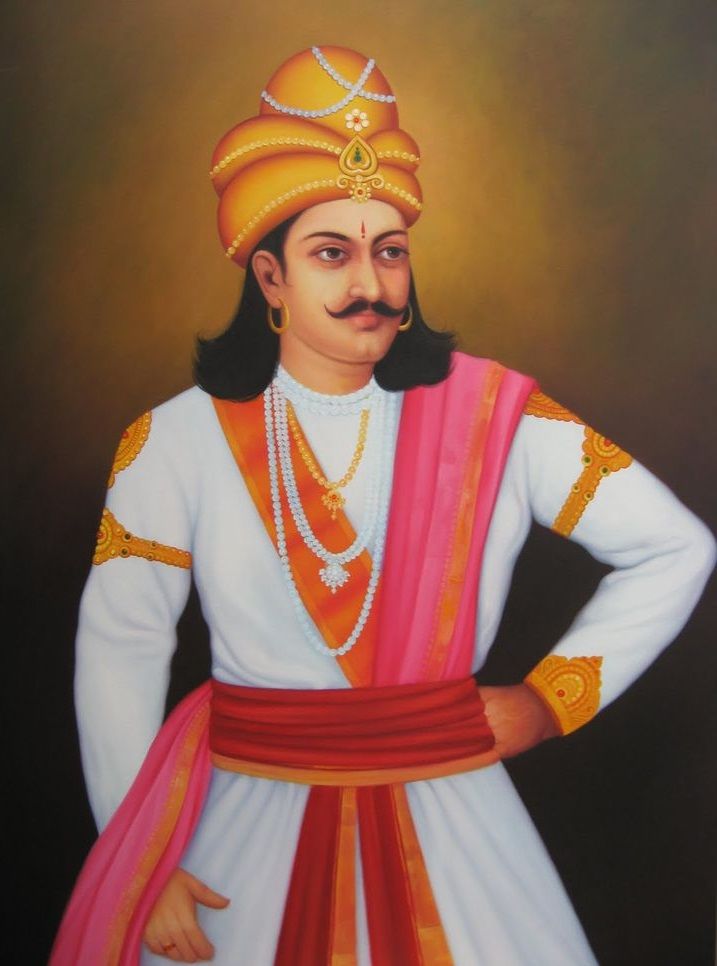
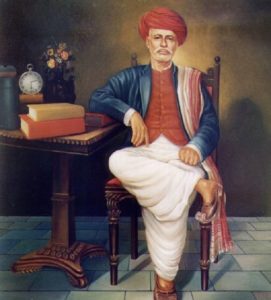
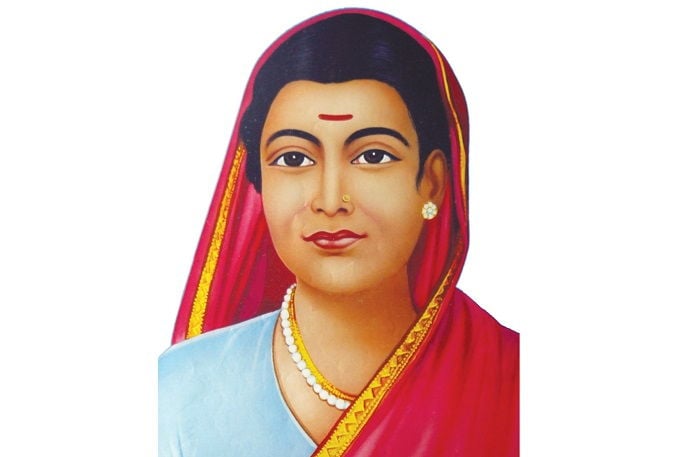
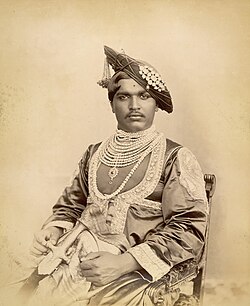
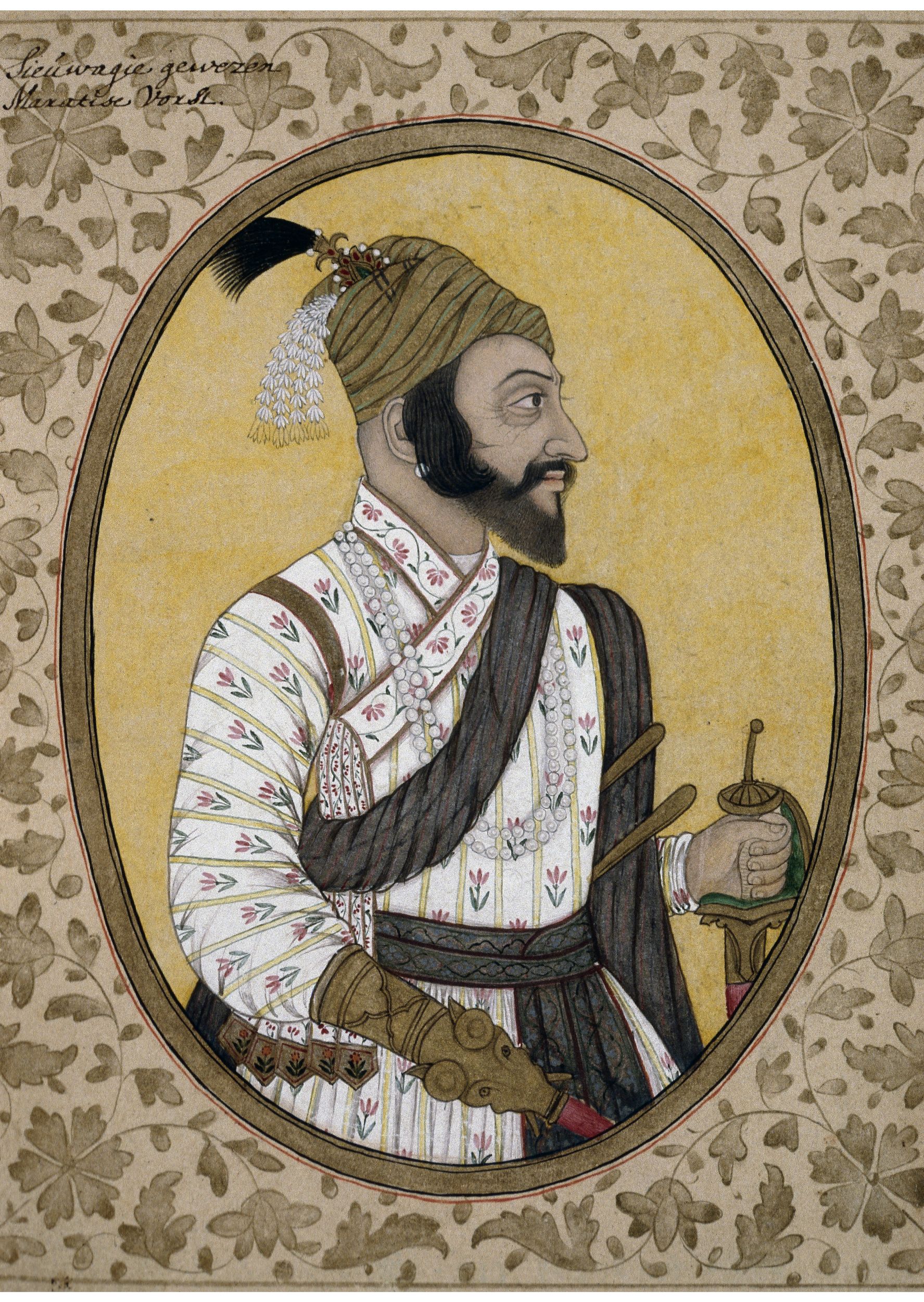
These figures did not all work in the same way. Samrat Ashoka used imperial authority to speak about Dhamma, welfare, restraint, and public ethics. Jyotirao Phule challenged caste hierarchy and made education a tool of social change. Savitribai Phule taught girls, supported women and children, and continued reform work in the face of hostility. Shahu Maharaj used the power of the Kolhapur state to support education, representation, and backward communities. Shivaji Maharaj built Swarajya through leadership, administration, forts, and political organization.
Their lives are linked here because each one helps explain a different part of public responsibility. Equality is not built by one method alone. It needs learning, policy, social courage, ethical conduct, organization, and leadership. These pages help readers see how different forms of action can challenge humiliation, widen opportunity, and shape collective life.
How their work connects with equality.
The strongest connection between these pages is the question of human dignity. Phule and Savitribai fought the denial of education because knowledge was tied to social power. Shahu Maharaj supported representation because public institutions could not be fair if excluded communities remained outside them. Ambedkar later carried these concerns into law, democracy, constitutional rights, and Buddhism.
Ashoka and Shivaji belong to a different historical setting, but they still matter for this section because they help readers think about public power. Ashoka raises the question of whether rule can be guided by welfare and moral restraint. Shivaji raises the question of how leadership, administration, and state-building can give people political confidence. They should be read with historical balance, not as simple examples of the same reform movement.
This is why the section includes both reformers and rulers. Some changed society through schools and organizations. Some worked through policy. Some shaped public memory through state-building and governance. Together they give readers a wider view of how public life is changed.
How to read these lives.
These lives should not be read as if every person had the same role or lived in the same kind of society. Ashoka was an ancient emperor. Shivaji Maharaj was a ruler and state-builder in the seventeenth century. Jyotirao Phule, Savitribai Phule, Shahu Maharaj, and Dr. B.R. Ambedkar worked in modern social conditions where caste, education, representation, and public rights were central questions.
A better way to read them is to ask what problem each person faced and what kind of action they took. Some used education. Some used writing and organization. Some used state power. Some used law, public policy, and moral teaching. Their work becomes clearer when each life is placed in its own time and then connected to the larger concern of dignity and justice.