
Join the Ambedkarite Buddhist Community

A community is strongest when learning becomes a shared responsibility. Ambedkarite Buddhism is not only a personal practice. It grows through collective learning, honest discussion, public memory, and action for human dignity.

Stay Connected

Learn together and grow with the community.

This page is for people who want to study Ambedkar, understand the Buddha's Dhamma, and stay connected with others on the same path. Follow the community channels for new articles, study notes, event updates, and simple reminders for daily practice.

Sangha In Public Life

What Sangha means today.

In Ambedkarite Buddhism, Sangha is not limited to monks or formal religious institutions. It includes people who practice Dhamma together in society. A Sangha can be a study circle, a family that reads together, a Buddha Vihar, a student group, a public library, or a group of people who gather to learn and support one another.

Sangha matters because learning becomes stronger when it is shared. A person may begin alone, but regular discussion helps ideas become clear. Practice becomes more consistent when people encourage one another. Values such as equality, compassion, and self-respect become visible when they are lived in public life, not kept only as private thoughts.

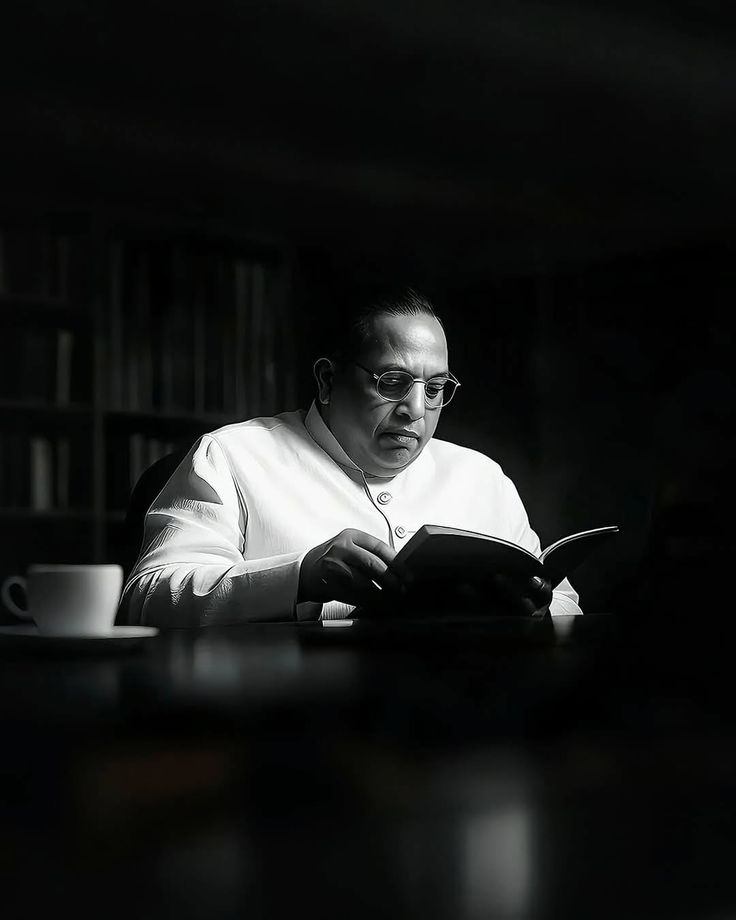
For Ambedkarites, community is also a way to continue Dr. B.R. Ambedkar's work. His movement placed great importance on education, organization, and moral courage. A living community keeps these habits active through study, mutual help, public events, and the refusal to accept caste discrimination as normal.
Community In Practice

How community work takes shape.

Study circles

Small groups read Ambedkar's writings, discuss Dhamma, and connect the teachings to present-day conditions. This builds understanding through dialogue, not memorization. A study circle can begin with one short reading, a few questions, and a commitment to listen carefully to each other.

Public anniversaries

Ambedkar Jayanti, Dhammachakra Pravartan Din, and Mahaparinirvan Din carry memory into public life. These events are not only dates on a calendar. They help people remember the history of struggle, conversion, learning, and collective self-respect.

Education work

Libraries, classes, scholarships, reading groups, and mentoring continue the movement's commitment to knowledge and self-development. Education work is practical because it helps people gain confidence, understand society, and prepare for public responsibility.

Mutual aid

Community support can include legal awareness, health support, food relief, student help, and crisis response. Compassion becomes action when people share time, skills, and resources with those who need support.

Culture And Memory

Gathering is also a method of self-respect.

Navayana communities preserve memory through images, songs, books, processions, public lectures, and visits to important places. These activities help people connect history with present practice. They also teach younger generations that the struggle for dignity has names, dates, places, and responsibilities.

Visits to Deekshabhoomi, Chaityabhoomi, Buddha Vihars, libraries, and local community spaces can help people understand Ambedkarite Buddhism as a living movement. The purpose is not only to remember Dr. Ambedkar with respect. It is to continue the work of building habits and institutions where people are treated as equal.

Dr. B.R. Ambedkar and the Ambedkarite Buddhist community tradition
Places of memory become places of study, public respect, and collective responsibility.

Keep Learning

Continue with study and practice.