Overview
About Ambedkar's writings
Ambedkar's writings cover a wide range of subjects. He wrote on caste, social inequality, law, politics, economics, religion, constitutional thought, and the conditions needed for a just society. Even when the subjects change, the deeper concerns remain connected: equality, dignity, democratic life, and the need to confront injustice directly.
That is one reason his books still matter. They are not only historical documents. They continue to help readers understand how society works, why inequality survives, and what kind of reform is needed if human beings are to live with self-respect and equal worth.
Major books by B. R. Ambedkar
The books below are the strongest starting point for most readers. They show the range of Ambedkar's thinking from caste critique to Buddhism and from historical analysis to social reform.
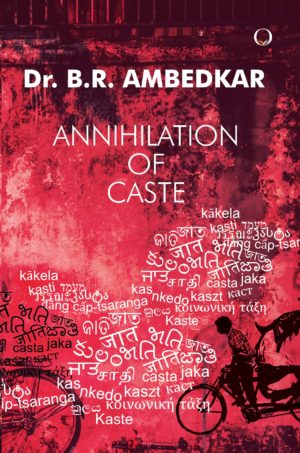
Annihilation of Caste
This is one of Ambedkar's most important books on caste. It explains why caste cannot be removed by minor reform alone and why equality requires a deep break with inherited hierarchy.

The Buddha and His Dhamma
Ambedkar's major book on Buddhism explains the Buddha's life and teaching in a clear modern voice. It is central for understanding Ambedkarite Buddhism and his reading of Dhamma.
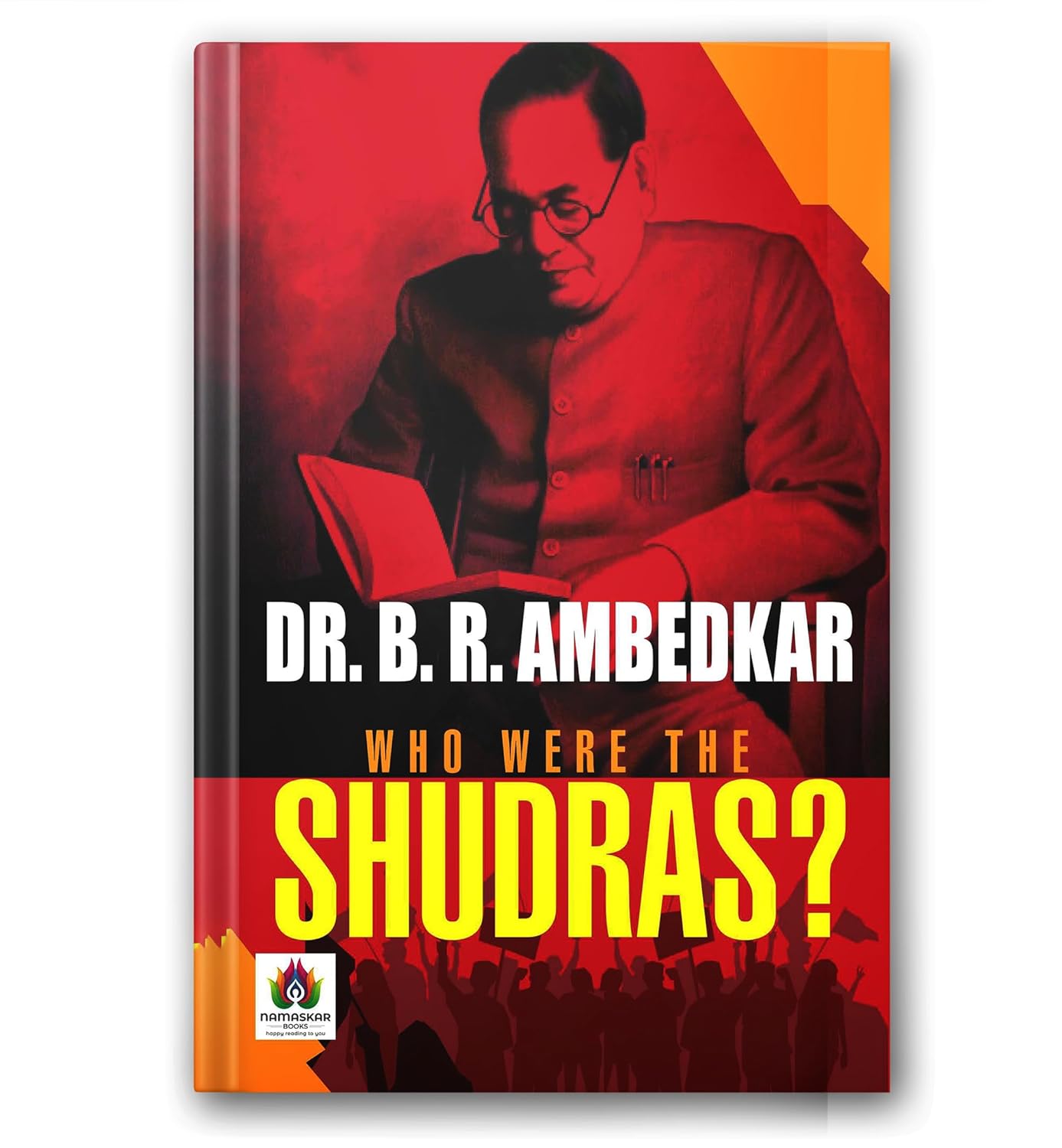
Who Were the Shudras?
This book studies the historical formation of the Shudra category and questions the religious and social claims used to justify hierarchy. It remains important for readers trying to understand caste historically.
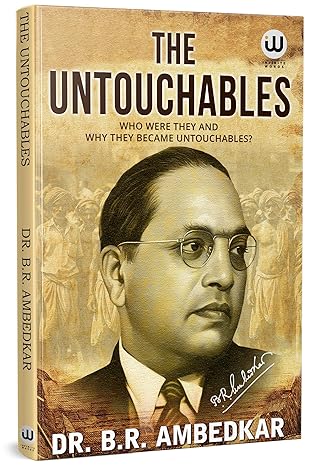
The Untouchables
In this work, Ambedkar studies the origin of untouchability and the social processes that created it. The book matters because it refuses to treat untouchability as natural or permanent.
Social and political writings
Ambedkar's social and political writings show how closely caste, representation, democracy, and public rights are connected. In What Congress and Gandhi Have Done to the Untouchables, he examines political claims made in the nationalist period and asks what they meant in practice for oppressed communities. In States and Minorities, he sets out constitutional and economic safeguards needed for justice.
Ranade, Gandhi and Jinnah studies public leadership and political method in modern India. Thoughts on Pakistan and Pakistan or the Partition of India examine the partition question with Ambedkar's characteristic seriousness about law, statecraft, and political reality. These works show that Ambedkar was not a writer of one subject only. He was thinking continuously about how society and the state should be organized.
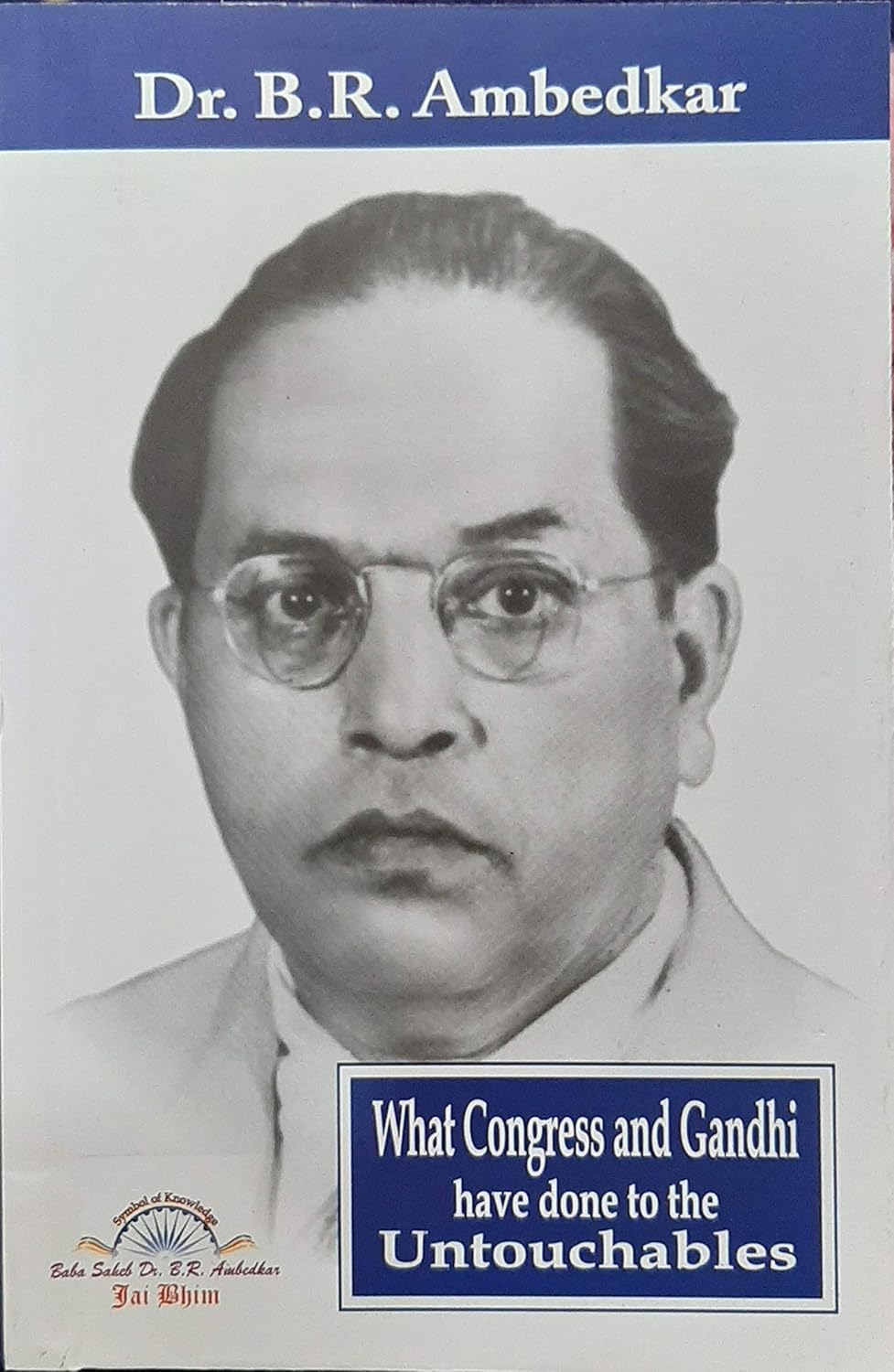
What Congress and Gandhi Have Done to the Untouchables
A sharp political critique of nationalist claims and their limits for oppressed communities.
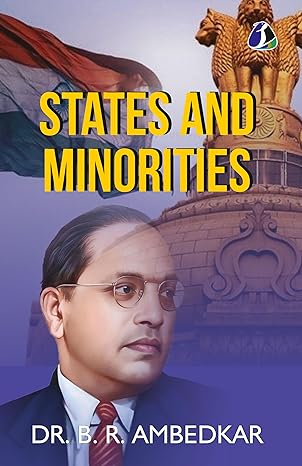
States and Minorities
A serious statement on constitutional protections, democracy, and the rights of minorities.
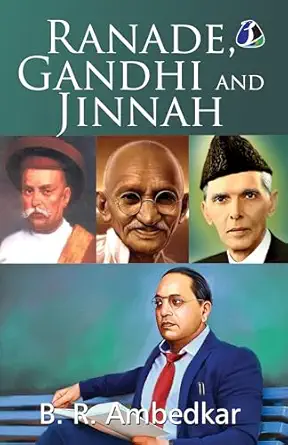
Ranade, Gandhi and Jinnah
A study of leadership, political style, and public method in modern India.
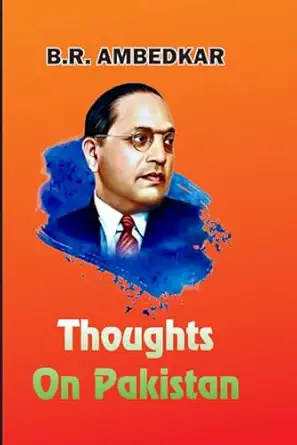
Thoughts on Pakistan
Ambedkar's early analysis of the Pakistan question and the political tensions around it.
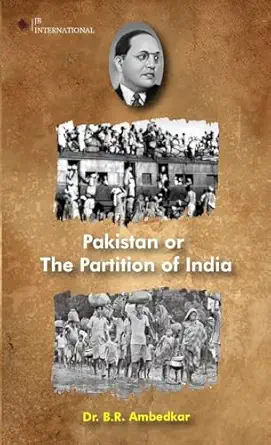
Pakistan or the Partition of India
A fuller and more developed work on partition, representation, and the future of the Indian state.
Economic and academic works
Ambedkar was also a serious economic thinker. The Problem of the Rupee studies currency, finance, and monetary policy with depth and discipline. The Evolution of Provincial Finance in British India examines the structure of administration and fiscal policy under colonial rule. These works remind readers that Ambedkar's thought was not limited to caste alone. He was attentive to economic systems, finance, and the state.
Castes in India, first presented in 1916, remains one of the key early texts for understanding his later work. It is academic in form, but its subject would shape everything that followed. Together, these books show a writer who could move from detailed economic argument to the foundations of social structure without losing clarity.
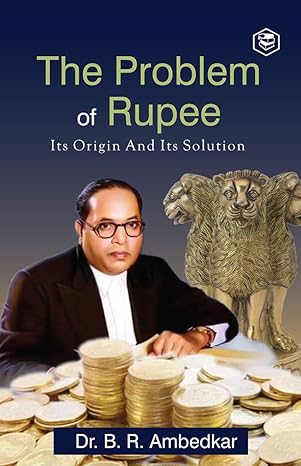
The Problem of the Rupee
A major economic study of currency, finance, and monetary policy in colonial India.
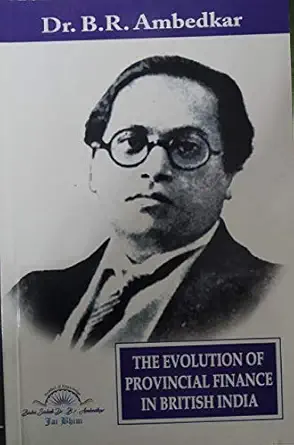
The Evolution of Provincial Finance in British India
An academic work on fiscal structure, administration, and public finance under British rule.
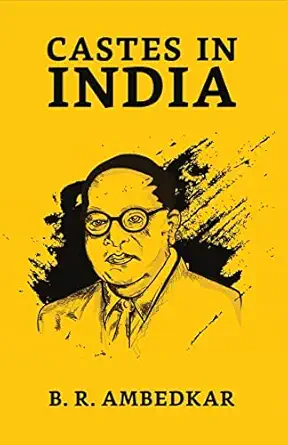
Castes in India
An early and influential study of caste that helped shape Ambedkar's later social thought.
Religion and philosophical writings
Ambedkar's religious and philosophical writings are essential for readers trying to understand his final turn to Buddhism. Riddles in Hinduism raises difficult questions about religious belief and inherited contradiction. Philosophy of Hinduism studies the moral and social foundations of Hindu thought from Ambedkar's critical point of view. Buddha or Karl Marx compares two major ways of thinking about suffering, change, and justice.
These books matter because they show Ambedkar thinking about religion not as a private comfort alone, but as something that shapes morality, social life, and the structure of power. They also help explain why his reading of Buddhism became so important in the last phase of his work.
Riddles in Hinduism
A critical examination of contradiction, belief, and inherited religious authority.
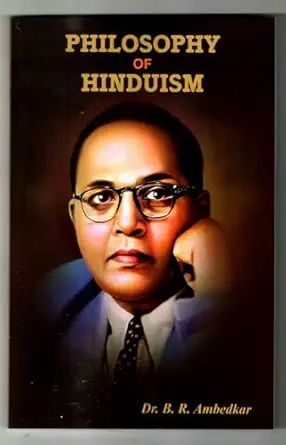
Philosophy of Hinduism
A study of Hindu moral and social thought from Ambedkar's critical perspective.

Buddha or Karl Marx
A comparison of two different responses to suffering, injustice, and social transformation.
Other notable writings
Several other works remain important because they are often read in schools, study circles, and movement spaces. Thoughts on Linguistic States studies language and state organization. Essays on Untouchables and Untouchability brings together some of Ambedkar's strongest reflections on exclusion and caste oppression. Waiting for a Visa remains one of the clearest personal accounts of humiliation under caste, and many readers begin there because of its directness.
These writings are useful because they make different parts of Ambedkar's thought accessible to different readers. Some come through history. Some come through politics. Some come through personal experience. Together they show the range of his writing life.
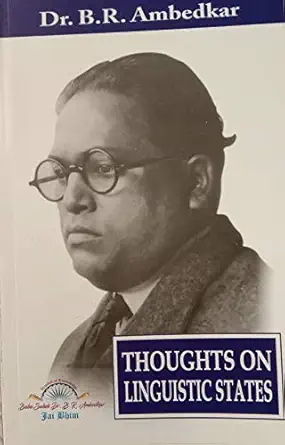
Thoughts on Linguistic States
A work on language, federal structure, and state formation in modern India.
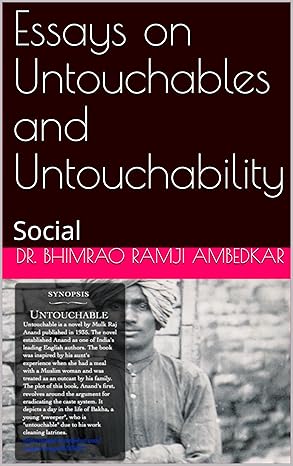
Essays on Untouchables and Untouchability
A collection of writing on caste exclusion, untouchability, and social oppression.
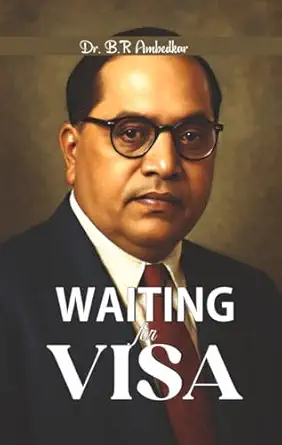
Waiting for a Visa
A direct and memorable personal account of caste humiliation and exclusion.
Collected writings and speeches
The most important long-term resource for readers is Dr. Babasaheb Ambedkar: Writings and Speeches, the multi-volume collection of his essays, speeches, notes, and documents. This collection matters because many of Ambedkar's ideas are scattered across speeches, shorter writings, and public statements rather than only a few famous books.
Anyone who wants to go beyond introductions eventually returns to these collected volumes. They help readers trace the development of Ambedkar's thinking across law, labor, caste, economics, religion, and democracy.
Dr. Babasaheb Ambedkar: Writings and Speeches
The multi-volume collection of Ambedkar's speeches, essays, notes, and documents. This is the main long-form archive for readers who want to study his thought in full range.
Timeline of major works
Castes in India
An early academic study of caste that already points toward Ambedkar's lifelong concerns.
The Problem of the Rupee
A major economic work on currency, finance, and monetary policy.
Annihilation of Caste
One of Ambedkar's strongest works on caste, reform, and social equality.
Thoughts on Pakistan
An early examination of partition and political separation.
Who Were the Shudras?
A historical study of caste and the social category of the Shudras.
The Untouchables
A major work on the historical origins of untouchability.
The Buddha and His Dhamma
Published after Ambedkar's death, this became his central Buddhist book.
Importance of Ambedkar's books
Ambedkar's books matter today because the questions they raise have not disappeared. Caste, inequality, rights, democracy, religion, and public justice still shape everyday life. His books help readers understand these issues without pretending they are simple. They also show that thought and reform belong together. A society cannot change deeply if it does not learn to examine itself honestly.
That is why reading Ambedkar still matters. His books do not belong only to the past. They remain useful for students, activists, teachers, general readers, and anyone trying to understand Indian society with seriousness and clarity.